Small Jobs
Drywall Patching & Hole Repair in Shreveport, LA
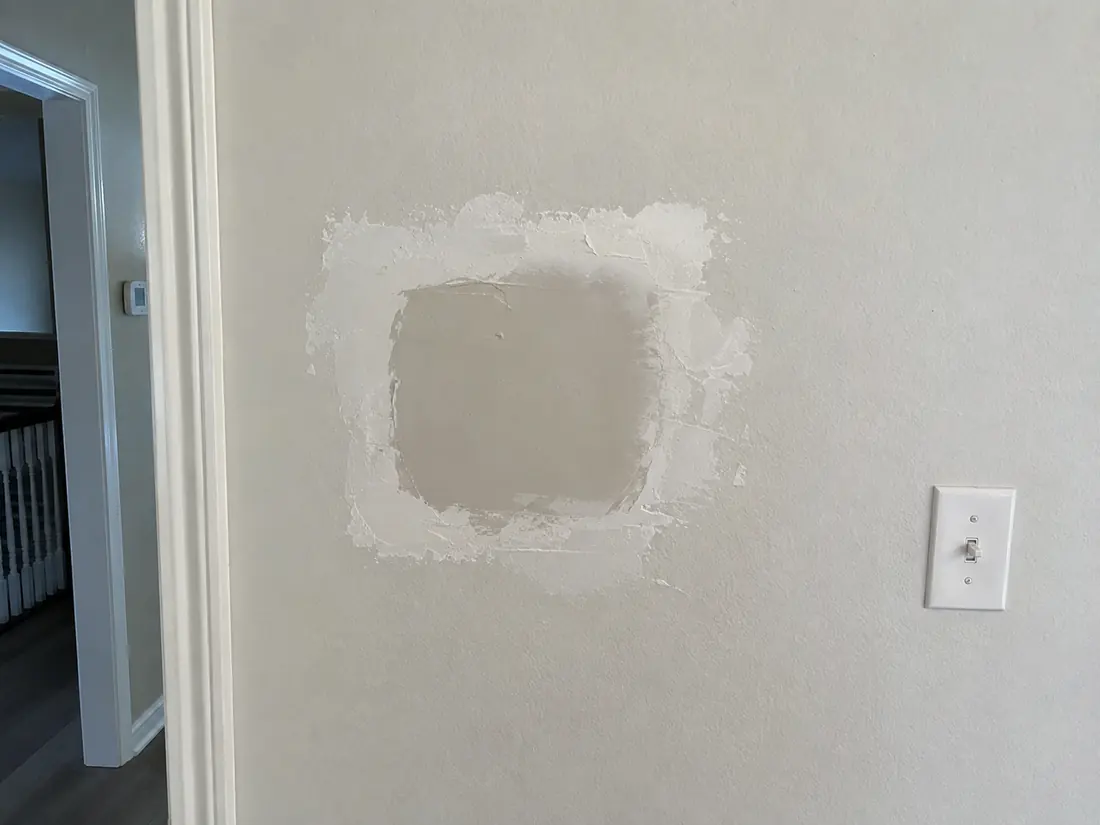
Doorknob holes, anchor damage, old TV mounts and access cutouts. Small jobs done properly, without being told to wait for a bigger project.
Small Drywall Patching Jobs, Done Properly
Drywall patching and hole repair in Shreveport is the work most contractors would rather not take. A single hole is a short job with setup, travel and cleanup attached to it, so plenty of crews either decline it or attach a minimum-day charge that makes a fifteen-minute repair cost the same as half a room.
We take these jobs, and we do not carry a minimum-day charge for residential patching. A doorknob hole behind a door is a legitimate piece of work, and it deserves a proper backed patch and a real texture match rather than a smear of spackle and an apology.
What's Included
- Assessment of what is behind the hole before cutting. Wiring, plumbing and ductwork all live inside walls, and cutting blind is how a small repair becomes an expensive one.
- Appropriate patch method for the size, which is a real decision rather than a default.
- Backing installed for anything beyond a small opening, so the patch is mechanically supported rather than held by tape alone.
- Three-coat finish feathered out properly, not a single fill and sand.
- Texture matched on a sample board before it touches your wall.
- Primer on the repair so it does not flash under paint.
- Full cleanup. A small job is not an excuse for leaving dust behind.
- Multiple repairs batched into one visit where possible, which is much better value than separate call-outs.
Common Patching Jobs We Handle
Doorknob holes
The most common single repair in any house. A door swings past its stop and the handle punches a round hole. Worth adding a door stop at the same time, otherwise it happens again in the same spot.
TV mount and shelf anchor damage
Removing a wall-mounted television or heavy shelving leaves a cluster of large anchor holes, and toggle bolts leave openings far bigger than the screw suggests. These need proper filling rather than spackle, since the surrounding board is often crushed.
Cable, outlet and switch cutouts
Relocated outlets, removed wall-mounted phones, old thermostat locations and abandoned cable pass-throughs. Rectangular cutouts are straightforward to patch invisibly when backed properly.
Plumbing and electrical access holes
When a plumber or electrician opens a wall to reach something, closing it back up is usually not part of their scope. We close these routinely and can coordinate directly with the trade that opened it.
Furniture, moving and pet damage
Scrapes, gouges, corner damage from moving furniture, and scratched or chewed lower wall sections. Corner damage in particular needs the bead assessed rather than just filled.
Our Process
Check what is behind it
Before any cutting, we determine what is inside the wall cavity at that location. Cutting blind into wiring or a supply line turns a small repair into a large one.
Choose the patch method
Small holes take a California patch. Anything larger takes backing and a cut piece. Using the wrong one for the size is the most common reason a patch outline shows up later.
Install backing where needed
Wood or metal backing behind the opening so the patch bears on something solid instead of relying on tape across a void.
Fill, tape and coat
Three coats feathered progressively wider. Even on a small patch this matters, because a single thick fill shrinks as it dries and leaves a visible depression.
Match the texture
Tested on a sample board against your wall first. A small patch with a wrong texture is just as visible as a large one.
Prime and clean up
The repair is primed so it does not flash under your topcoat, and the area is vacuumed and wiped down.
Patch Methods and When Each Is Correct
Spackle and mesh tape, or why the hardware store kit disappoints
Self-adhesive mesh patches sold for small holes work acceptably for very small openings if they are coated properly and feathered wide. The reason they usually look bad is not the patch, it is that the compound is applied thick in one pass and sanded flat, leaving a visible raised disc. Three thin coats feathered wide produce a very different result with the same materials.
California patch
A piece of board cut with the paper facing left intact around the edges, so the paper itself acts as the tape. It leaves a very thin buildup and is excellent for holes up to roughly six inches. It relies entirely on that paper flange for support, which is why it is not appropriate beyond that size.
Backed patch
Wood or metal backing installed inside the cavity, then a cut piece screwed to it and taped. This is the correct method for anything larger, and it is what makes the difference between a patch that stays flat and one that develops a cracked outline as the house moves. Most failed patches we are called to fix are California patches used on openings that were too large.
Full board section replacement
For extensive damage, or where several holes fall close together, cutting back to the studs and replacing a whole section gives fewer seams and a flatter result than four separate patches sitting near each other.
Patching in Shreveport Homes
Two local realities shape small repair work here.
The first is that texture matching matters even more on small patches than on large ones, because small patches sit in the middle of an otherwise undisturbed wall where the eye has an immediate reference right beside it. Much of the Shreveport housing stock carries orange peel on walls and knockdown on ceilings, both of which match well when tested properly. The older neighborhoods around Highland and South Highlands are a different situation: original plaster walls are often smooth, and patching drywall into plaster requires attention to the thickness difference so the patch sits flush rather than proud or recessed.
The second is that batching pays off substantially. Because we do not carry a minimum-day charge, the economics of a small job are dominated by setup, travel and cleanup rather than by the repair itself. Homeowners who walk the house and list every hole, scrape and dent before calling get far better value than those who call three separate times across a year. It is worth ten minutes with a notepad before you get in touch.
What Affects the Price
Small patch and hole repairs typically run $150 to $400. The largest single factor is not hole size, it is the number of separate locations, because each one carries its own setup and cleanup. Specifically:
- Number of repairs, and how spread out they are. Five holes in one room is a considerably smaller job than five holes across five rooms.
- Texture complexity. A smooth wall is quick. An aged knockdown needs sample testing.
- Hole size and what is behind it. Anything requiring backing takes longer than a California patch.
- Ceiling versus wall. Overhead patches are slower and less forgiving.
- Whether painting is included. We prime as standard, and finish painting is a separate add-on.
Batching multiple repairs into a single visit is by a wide margin the best value available on this kind of work.
Got a List of Holes? Send Us Photos and We Will Quote the Lot.
Walk the house, photograph everything that needs attention, and send them over. Batching repairs into one visit costs far less than separate call-outs, and we do not carry a minimum-day charge on residential patching.
Prefer to talk it through? Call (318) 666-5548.
Why Choose Us
Why Choose Us for Small Repairs
Shreveport Drywall Pro is a drywall specialist, not a general contractor who takes drywall on the side. Three things set the work apart.
No Minimum-Day Charge on Residential Patching
Plenty of contractors will not take a single hole, or will price it as half a day so it is not worth their time. We take small jobs at what they are actually worth. A doorknob hole behind a bedroom door is a real piece of work and we would rather do it properly than tell you to wait until you have accumulated enough damage to justify a crew.
Small residential repairs quoted on scope, not on a day rateThe Right Patch Method for the Actual Size
Most failed patches we get called to fix are California patches used on openings too large for them, which rely on a paper flange for support that eventually cracks around the outline. We install real backing behind anything beyond a small hole so the patch bears on something solid. It takes a few extra minutes and it is the difference between a repair that lasts and one you see again next year.
Backing installed on every opening beyond small-patch sizeTexture Matched Even on the Smallest Patch
A small patch sits surrounded by undisturbed wall, so the eye has a reference point directly beside it and a mismatch is more obvious, not less. We run the same sample-board process on a doorknob hole that we would on a full wall. Skipping it is why so many small repairs are structurally fine and still visibly wrong.
Sample-board texture match on repairs of every sizeFAQ
Drywall Patching & Hole Repair Questions
Will you come out for just one hole?
Yes. We do not carry a minimum-day charge on residential patching. That said, if you have more than one thing that needs attention, batching them into a single visit is much better value, because the cost of a small job is dominated by setup, travel and cleanup rather than the repair itself.
How much does it cost to patch a hole in drywall?
Typically $150 to $400 depending on size, texture and how many separate locations are involved. The number of locations matters more than total hole size, since each one carries its own setup and cleanup.
Can I just use a patch kit from the hardware store?
For a very small hole, yes, and the materials in those kits are fine. The reason they usually look bad is technique rather than product: the compound gets applied thick in one pass and sanded flat, which leaves a visible raised disc. Three thin coats feathered wide with the same kit produces a far better result.
How long does a patch take?
The physical work is quick, but compound needs to dry between coats, so most patches span two visits over two or three days. Anyone promising a fully finished, textured and primed patch in a single hour is applying one thick coat, and that will shrink and show.
Can you match the texture on a small patch?
Yes, and we treat it the same way as a large repair, with a sample board tested against your wall first. Small patches are surrounded by undisturbed wall, so a texture mismatch is if anything more noticeable than on a big repair.
Do you paint afterward?
We prime every repair as standard, which stops the patch flashing through your topcoat. Finish painting is available as an add-on. On older paint we will tell you honestly whether a spot touch-up will blend or whether the wall needs painting corner to corner.
Service Area
Drywall Patching & Hole Repair Near You
We cover drywall patching & hole repair across Shreveport and the surrounding parishes. Each area page covers what is specific to that community's housing and conditions.
Related Services
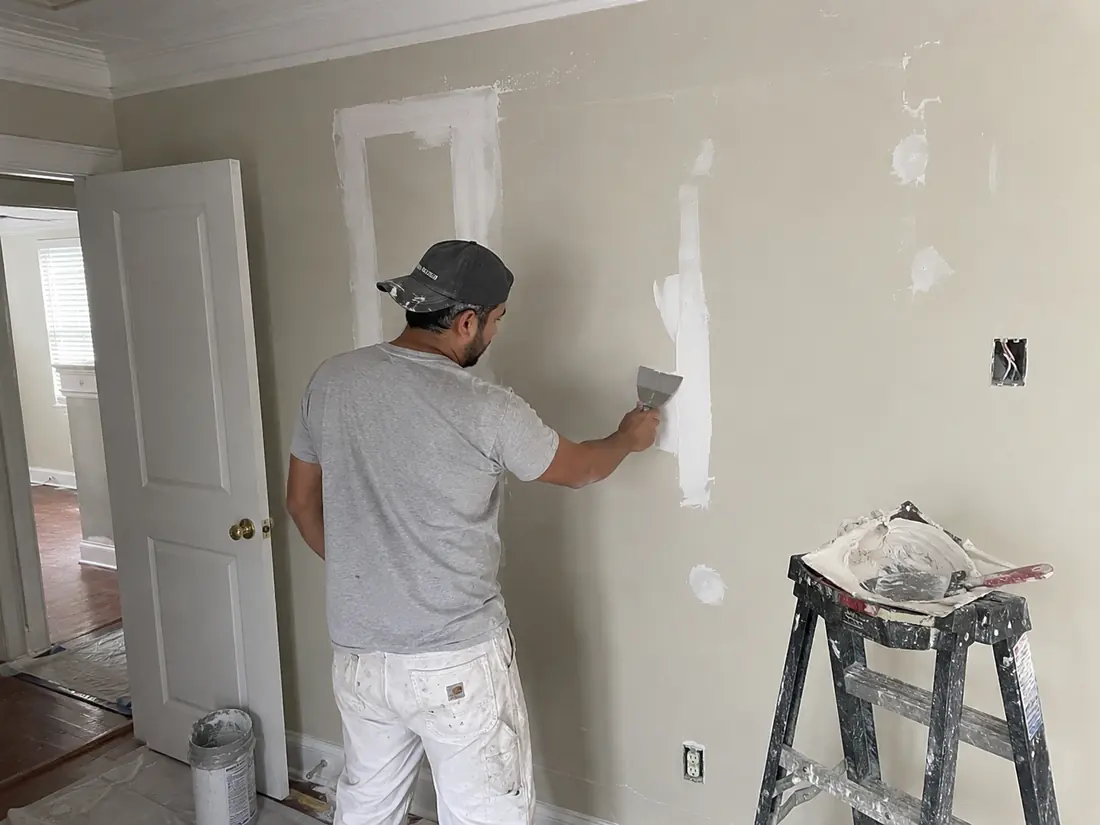
Drywall Repair
Holes, cracks, nail pops and settlement damage repaired and textured to match the surrounding wall.
Learn more →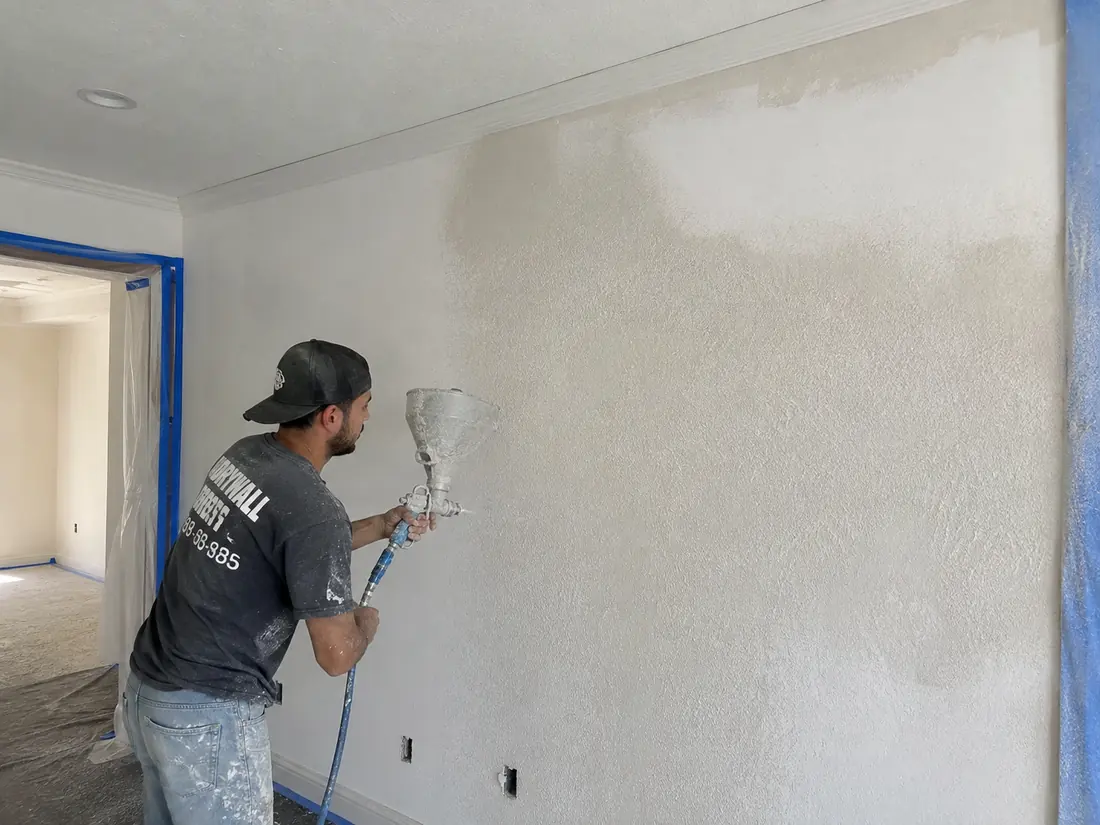
Drywall Texturing
Knockdown, orange peel, skip trowel and smooth Level 5 finishes, sprayed and matched to existing walls.
Learn more →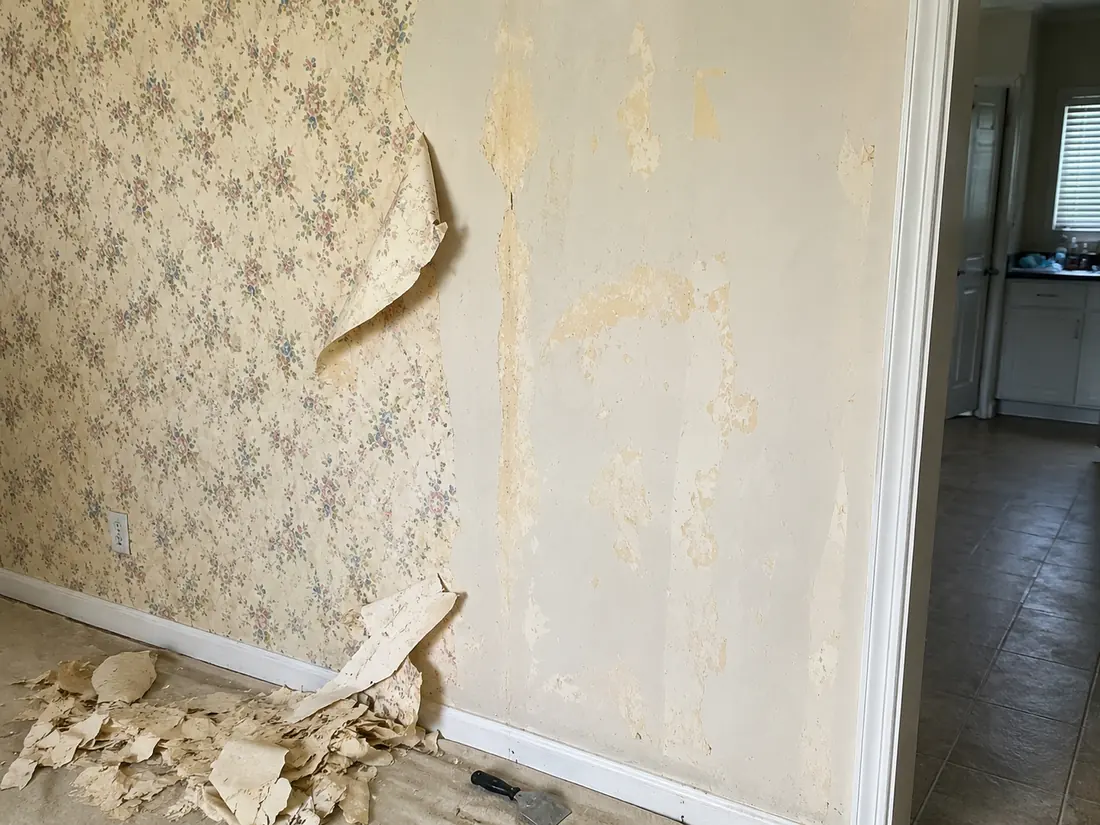
Wallpaper Removal
Paper stripped, adhesive residue removed and walls skimmed flat so new paint lays down without telegraphing seams.
Learn more →Not what you were looking for? See all drywall services or learn more about us.
Ready to get started?
Free written estimate, itemized before anything begins. We respond within 2 business hours.
Get a Free Quoteor call (318) 666-5548