Surface Preparation
Wallpaper Removal & Wall Prep in Shreveport, LA
Paper off, adhesive fully removed, and walls skimmed flat. Painting over residual glue is why so many post-wallpaper walls look wrong.
Wallpaper Removal and Proper Wall Preparation
Wallpaper removal in Shreveport is one of those jobs that looks finished long before it actually is. Getting the paper off a wall is the visible half and, in most cases, the easy half. The part that determines how the room looks afterward is what happens next: removing every trace of adhesive, repairing the damage the paper was concealing, and skimming the wall flat enough that new paint does not trace the outline of every old seam.
In older homes the wall underneath is often plaster rather than drywall, and stripping paper is the most common way people discover that the plaster beneath it has been cracked or loose for years. If that is what turns up, it is plaster repair rather than wall prep, and it needs handling before any skim coat goes on.
Adhesive residue is the specific problem. Wallpaper paste remains water-soluble long after it has dried, so painting over it produces bubbling, poor adhesion and a finish that can lift months later. It also cannot be seen once the paper is off, which is exactly why it gets skipped.
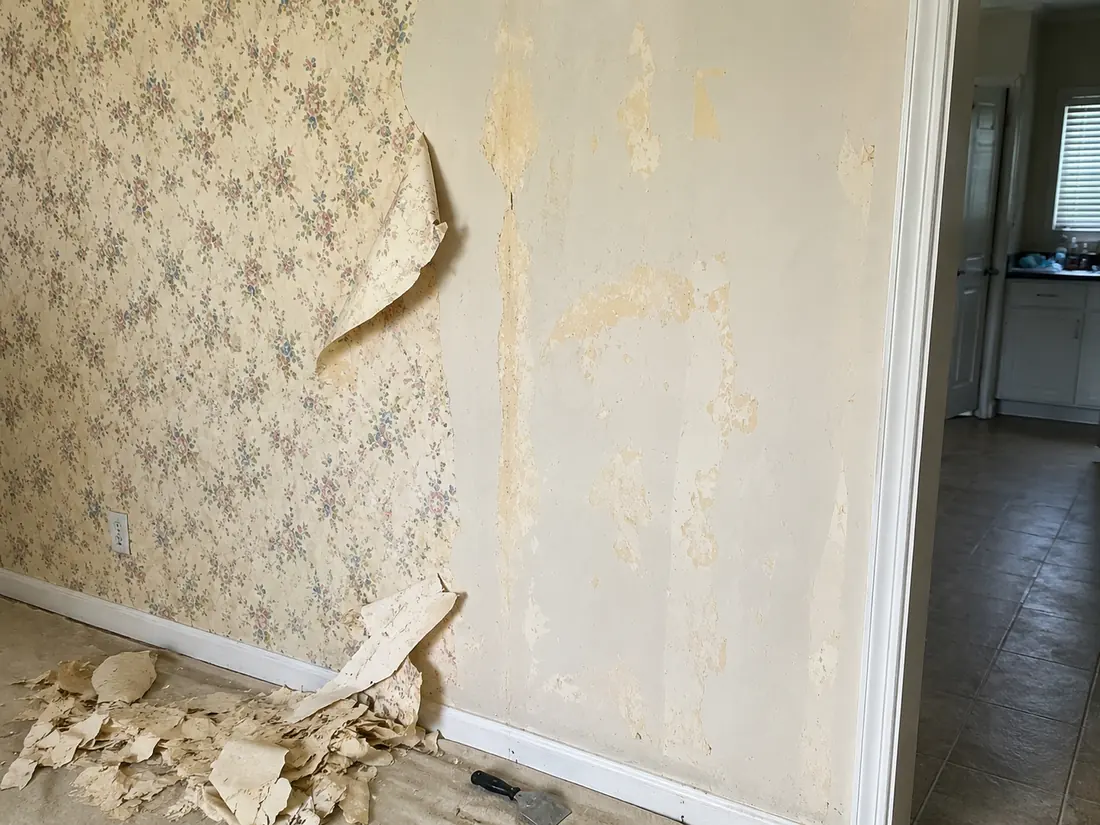
What's Included
- Test patch first to establish what type of covering you have and how it is going to behave, because strippable vinyl and painted-over paper are completely different jobs.
- Full room protection. Wallpaper removal is a wet process and the runoff carries adhesive with it.
- Paper removal by steaming, scoring and soaking, or dry stripping, depending on what the test patch reveals.
- Complete adhesive removal, verified rather than assumed. This is the step that determines whether your paint holds.
- Repair of damage revealed underneath, including torn facing paper, gouges and previously hidden cracks.
- Skim coat across the affected walls to level out seam lines, texture differences and minor damage.
- Sanding to a smooth uniform surface.
- Primer appropriate to the substrate, which matters more here than in most drywall work.
What You Are Dealing With
Strippable vinyl wallpaper
The best case. The vinyl face peels away in full sheets, leaving a paper backing that soaks off with water. Still requires full adhesive removal afterward.
Traditional paper wallpaper
Needs scoring and soaking, and comes off in fragments rather than sheets. Slower, messier, and much harder on the drywall facing underneath, which tears easily once wet.
Wallpaper that has been painted over
A significantly harder job. Paint seals the surface, so water and steam cannot reach the adhesive, and the covering has to be scored thoroughly first. This is common in older homes where successive owners painted rather than stripped.
Wallpaper hung directly on unprimed drywall
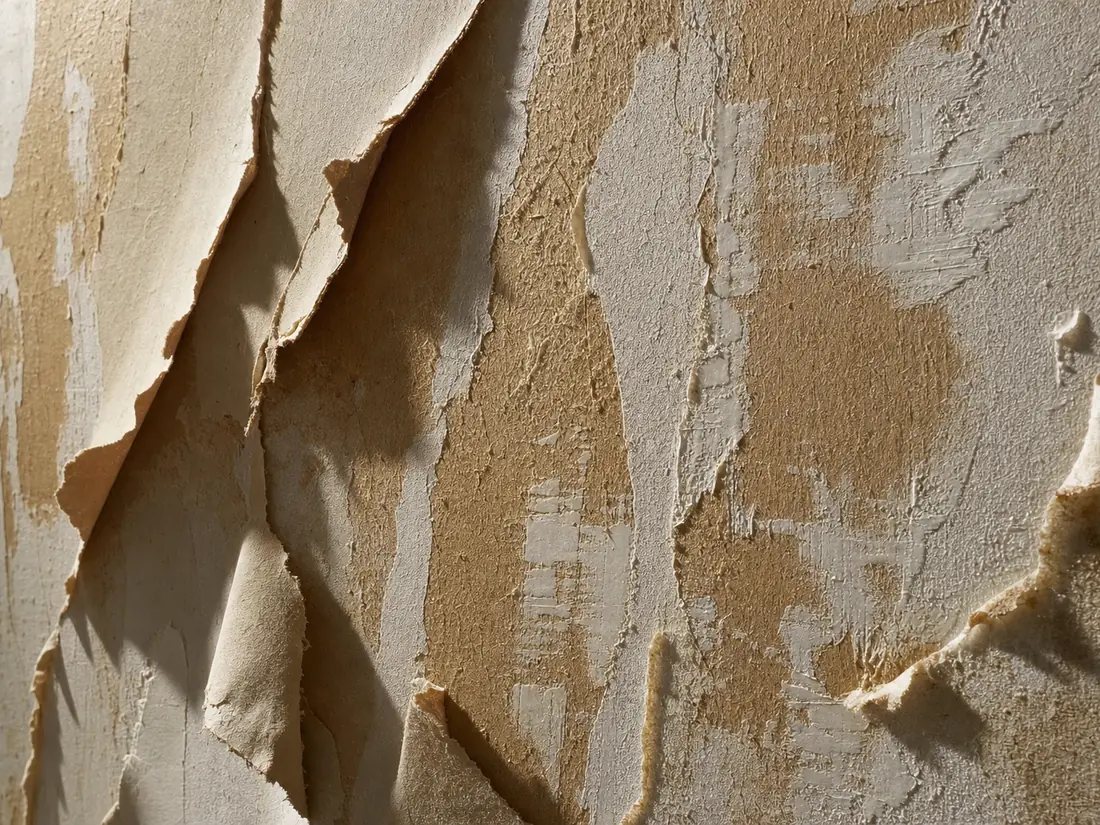
The worst case, and unfortunately common in work from the seventies and eighties. Without primer, the adhesive bonds directly to the paper facing of the drywall, and removing the paper tears the facing off with it. This is repairable, but it means skimming the entire wall rather than spot repairs, and we will tell you at the test patch stage if this is what you have.
Multiple layers
More than one generation of paper hung over the last. Each layer has to come off, and lower layers are usually the most stubborn.
Our Process
Test patch and honest assessment
We remove a small area in an inconspicuous spot to determine the covering type, the number of layers and the condition of the wall beneath. This is what makes the difference between a real quote and a guess, and it tells us whether you are facing a straightforward job or a full skim.
Protect the room
Floors, trim and outlets covered. This is a wet process and the runoff carries adhesive that is unpleasant to get out of flooring once it dries.
Remove the covering
Steam, score and soak, or dry strip, matched to what the test patch showed. Working patiently here protects the drywall facing beneath.
Remove all adhesive
The step that gets skipped. Walls are washed down repeatedly and checked until no residue remains, because remaining paste stays water-soluble and will undermine any paint applied over it.
Repair and skim
Torn facing, gouges and previously hidden damage repaired, then a skim coat across the walls to level seam lines and texture differences into a uniform surface.
Sand and prime
Sanded smooth, then primed with a product suited to the substrate so your topcoat has a sound, uniform base to bond to.
Removal Versus the Alternatives
Full removal and skim
The correct answer in nearly all cases, and the only one that gives you a genuinely sound wall to paint. More labor up front, no compromises afterward.
Painting over wallpaper
Occasionally suggested as a shortcut. It sometimes survives for a while on tightly adhered, non-vinyl paper with a well-chosen primer. More often the moisture in the paint reactivates the adhesive and the paper begins lifting, seams telegraph through, and vinyl coverings reject the paint outright. It also makes future removal considerably harder, so a short-term saving becomes a larger future cost. We will do it if you ask, after telling you plainly what the risks are.
Skim coat over the paper
Occasionally viable over sound, well-adhered paper with a compatible primer. It carries the same fundamental risk as painting, in that everything depends on adhesion you cannot verify. We would rather remove.
Removal plus new texture
Instead of a smooth skim finish, walls can be textured after removal. This is sometimes the more economical route when the wall beneath has suffered significant facing damage, because a light orange peel or knockdown is more forgiving than a smooth finish and requires less skim work to reach an acceptable result.
Wallpaper in Shreveport Homes
Wallpaper had a long run of popularity in this region, and it turns up in volume across homes from the 1960s through the 1990s, particularly in dining rooms, powder rooms, kitchens and primary bathrooms. The bathroom cases are consistently the most difficult, for a reason specific to our climate: a high-humidity room in a high-humidity region subjects wallpaper adhesive to years of moisture cycling. That produces two failure modes at once, with paper lifting at the seams while the adhesive itself becomes stubbornly baked onto the wall in the areas that stayed bonded.
In the older housing stock around Highland, South Highlands and Broadmoor, wallpaper is frequently found over original plaster rather than drywall. Plaster behaves differently under a wet removal process: it is more tolerant of moisture than drywall facing and does not tear the same way, but it is more likely to have existing cracks and previous repairs hidden beneath the paper. Those are usually only discovered once the covering is off, which is a large part of why we insist on a test patch before quoting rather than pricing from a photograph.
Humidity also affects the drying and skim stages here. A wall that has been thoroughly wetted during removal holds that moisture longer than it would in a drier climate, and skimming over a damp wall causes adhesion problems in the new compound. We allow proper drying between removal and skim rather than compressing the two into consecutive days.
What Affects the Price
Wallpaper removal is quoted by the room or by the wall after a test patch, because the range between an easy job and a difficult one is very wide. Cost drivers:
- Covering type. Strippable vinyl is the fastest by a considerable margin. Painted-over paper is the slowest.
- Number of layers. Each additional generation of paper adds a full removal pass.
- Whether the drywall was primed before papering. Unprimed drywall means facing damage on removal and a full skim rather than spot repairs. This single factor can double a job.
- Condition underneath. Cracks and previous repairs hidden by paper only surface once it is off.
- Wall area and ceiling height. Straightforward, but stairwells and tall walls need staging.
- Final finish. Smooth costs more than a light texture, since it has nowhere to hide.
This is the service where a test patch matters most. We would rather spend twenty minutes establishing what you actually have than give you a number that changes once we start.
Ready to Get Rid of That Wallpaper? Start With a Test Patch.
The range between an easy wallpaper job and a difficult one is enormous, and it depends entirely on what is underneath. We establish that first, then give you a number that holds.
Prefer to talk it through? Call (318) 666-5548.
Why Choose Us
Why Choose Us for Wallpaper Removal
Shreveport Drywall Pro is a drywall specialist, not a general contractor who takes drywall on the side. Three things set the work apart.
We Verify the Adhesive Is Actually Gone
Wallpaper paste stays water-soluble long after it dries, so paint applied over residue bubbles, adheres poorly and can lift months later. Residue is also invisible once the paper is off, which is exactly why this step gets skipped. We wash walls down repeatedly and check until they are genuinely clean, because this single step determines whether your new paint holds.
Adhesive removal verified, not assumed, before any skim or primerTest Patch Before We Give You a Number
The difference between strippable vinyl over primed drywall and painted-over paper on unprimed drywall is the difference between a straightforward job and one that requires skimming every wall. Nobody can tell which you have from a photograph. We do a test patch first so the quote you get is a number that holds rather than an estimate that grows.
Test patch on every quote before pricingWe Skim for the Finish You Actually Want
Old seam lines, texture differences and the ghost of the paper edge all telegraph straight through fresh paint, particularly under side lighting. We skim the affected walls to a uniform surface rather than spot-patching the obvious damage. If the facing underneath is badly torn, we will tell you honestly whether a light texture is a better and more economical result than chasing a perfect smooth finish.
Full skim to a uniform surface, not spot repairsFAQ
Wallpaper Removal & Wall Prep Questions
How much does wallpaper removal cost?
It is quoted per room after a test patch, because the range is genuinely wide. Strippable vinyl over properly primed drywall is a straightforward job. Painted-over paper on unprimed drywall can take several times as long and requires skimming every wall. That is why we test before quoting rather than pricing from a description.
Can I just paint over my wallpaper?
Sometimes, and it carries real risk. Moisture in the paint can reactivate the adhesive and lift the paper, seams telegraph through the finish, and vinyl coverings reject paint outright. It also makes future removal considerably harder. We will do it if you want it done, after explaining plainly what you are trading away.
Why does my wall look damaged after the paper came off?
Because the drywall was almost certainly not primed before the wallpaper was hung. Without primer, adhesive bonds directly to the paper facing of the board, and removing the covering tears that facing away with it. It is very common in work from the seventies and eighties. It is fully repairable, but it means skimming the walls rather than spot-patching.
How long does wallpaper removal take?
A straightforward single room is often one to two days for removal, plus drying, skimming and sanding on top of that. Difficult coverings, multiple layers or extensive facing damage extend it. We do not compress the drying stage, since skimming over a damp wall causes adhesion problems in the new compound.
Do you remove the adhesive too?
Yes, and it is the most important part of the job. Walls are washed down repeatedly and verified clean before anything else happens. Residual paste is the single most common reason paint fails on a wall that used to have wallpaper.
Can you texture the walls instead of making them smooth?
Yes, and sometimes that is the better recommendation. If the drywall facing was badly damaged during removal, a light orange peel or knockdown reaches a good-looking result with less skim work than chasing a perfect smooth finish. We will tell you when that trade-off is worth making.
Guides
More on Wallpaper Removal & Wall Prep
Service Area
Wallpaper Removal & Wall Prep Near You
We cover wallpaper removal & wall prep across Shreveport and the surrounding parishes. Each area page covers what is specific to that community's housing and conditions.
Related Services
Drywall Texturing
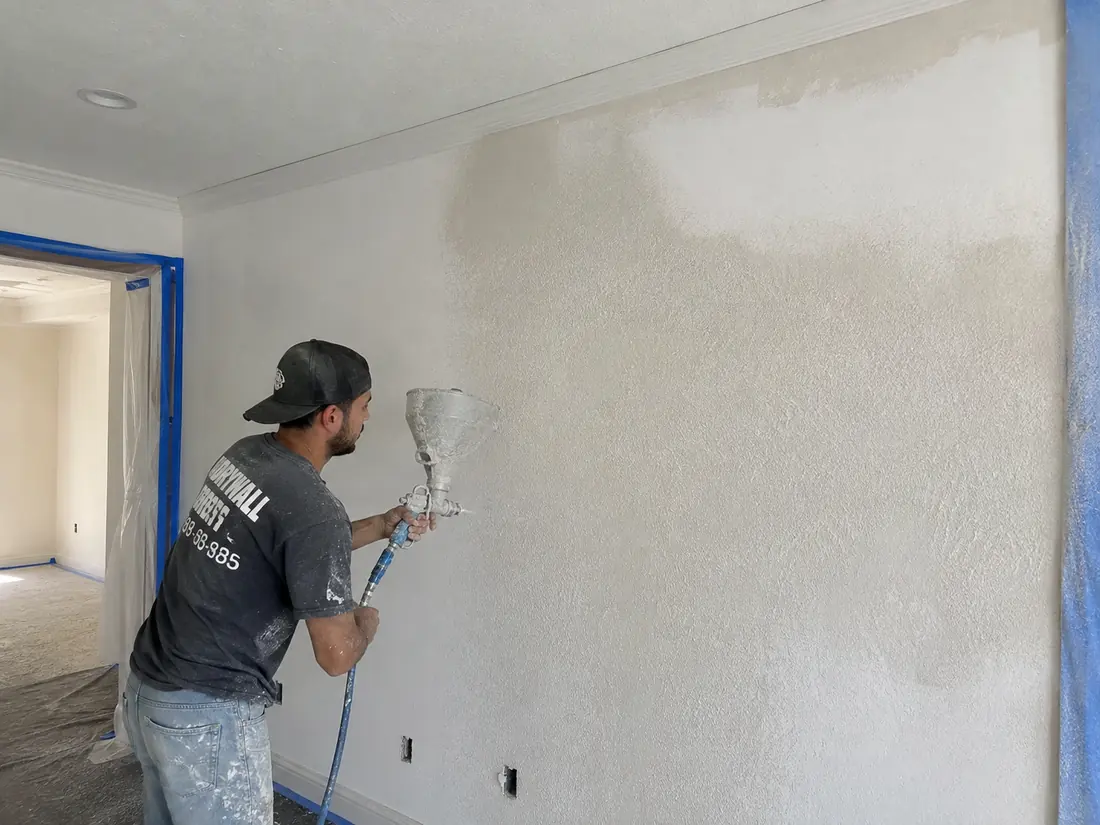
Knockdown, orange peel, skip trowel and smooth Level 5 finishes, sprayed and matched to existing walls.
Learn more →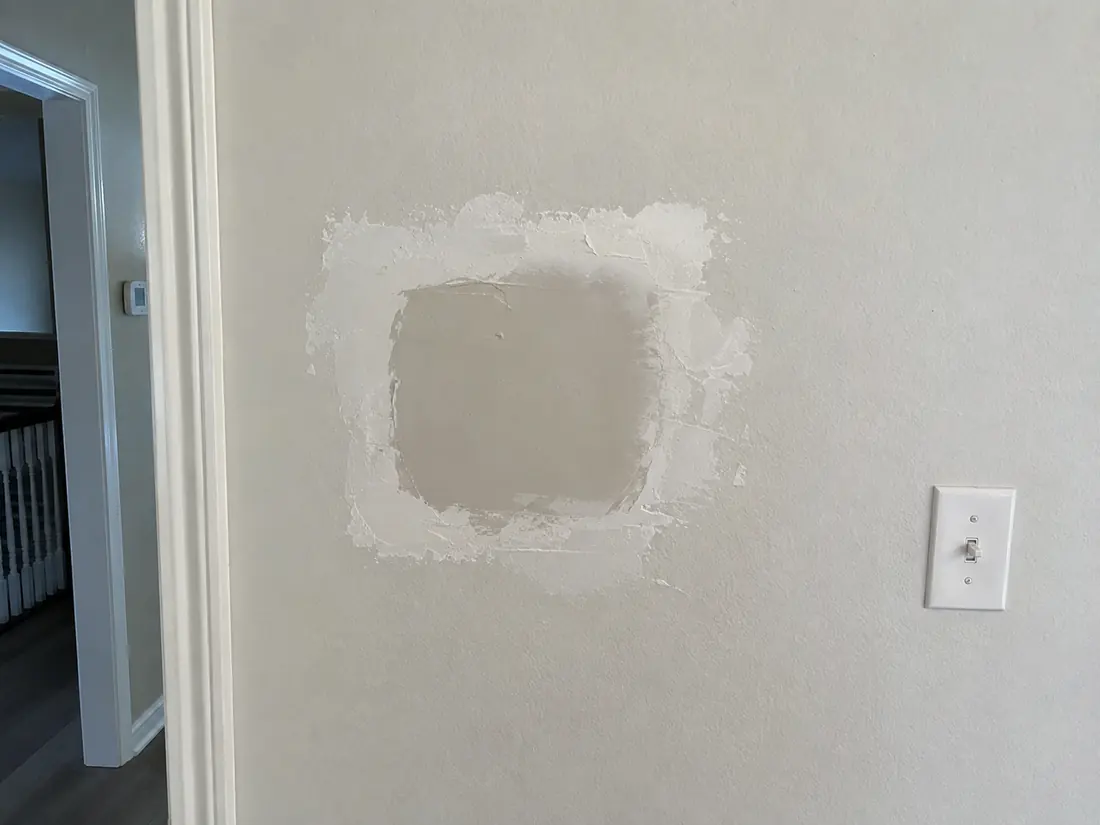
Patching & Hole Repair
Doorknob holes, TV mount damage, cable and outlet cutouts. Small jobs handled without a minimum-day charge.
Learn more →
Drywall Repair
Holes, cracks, nail pops and settlement damage repaired and textured to match the surrounding wall.
Learn more →Not what you were looking for? See all drywall services or learn more about us.
Ready to get started?
Free written estimate, itemized before anything begins. We respond within 2 business hours.
Get a Free Quoteor call (318) 666-5548